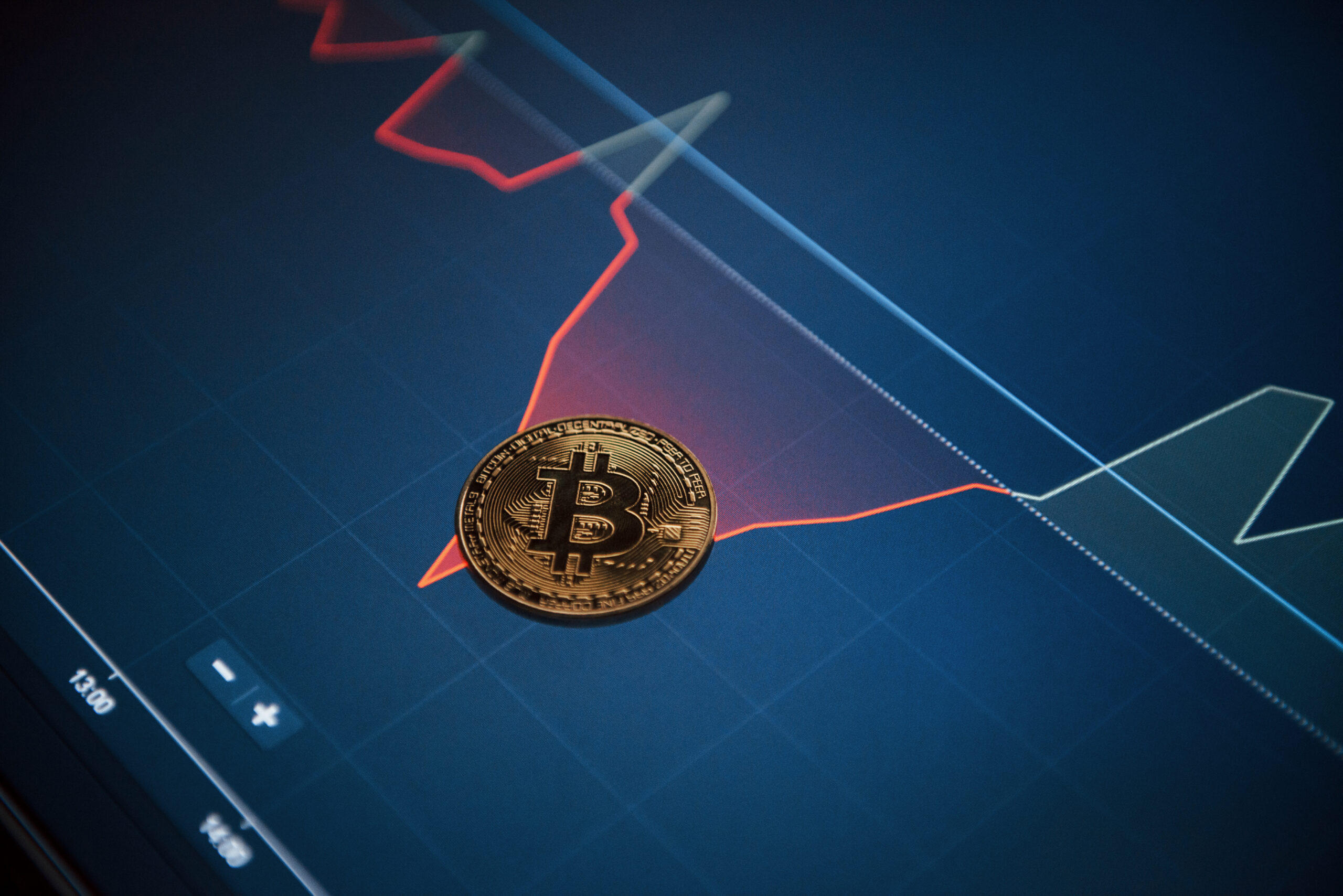
Bitcoin is currently the most popular and highly priced cryptocurrency in the world, and if you are wondering how it got so big and significant, just remember that its first appearance actually started an entire industry that now includes thousands of other coins and is worth billions of dollars.
Also, unlike regular, printable currencies, like USD, CAD, and EUR, that can, conditionally speaking, be printed almost without limit, Bitcoin has a limited supply. The total supply of Bitcoin is capped at a maximum of 21 million coins. This is only one of the reasons why it’s worth so much money.
Bitcoin operates using blockchain technology, which works as a completely decentralized shared ledger that records every transaction ever made, making it quite reliable.
The Creator of Bitcoin
Bitcoin was first mentioned in a paper published by Satoshi Nakamoto back in 2008. To this day, the real identity of the person who published the paper and started the entire project remains unknown. Some suggest it is a single person operating under their pseudonym, while others assume there are several people behind it all.
Whatever the case may be, the paper they published underlined the basic ideas of blockchain and digital currency. One year later, they introduced the first functional version of the system, which evolved over time and became a major financial asset.
There are still numerous efforts being put into discovering who the person or group behind the name is, but none of them have been successful.

Getting Bitcoins
There are several methods to obtain Bitcoins. The first and most obvious one is buying them directly from a crypto exchange platform using regular money. Another common way is getting it through some sort of business, for example, getting paid for a service you did or a good you provided.
The final way to obtain them is through mining, which stands for a process in which your computer uses electricity to solve complex computational tasks. For each solved task, you get rewarded with a part of the Bitcoin.
The Maximum Number of Bitcoins
As mentioned earlier, the total number of Bitcoins available in the world is strictly limited to 21 million. People started mining them in 2009, and since then, over 18 million Bitcoins have already been mined.

The Price of Bitcoin
When it first appeared in 2009, the price of Bitcoin was very low. One coin was worth only $0.000764. In the first few months, the price grew to about $0.50.
Since then, the price has been going through dramatic fluctuations. There were periods of time marked by sudden surges, followed by steep drops and extended periods of instability.
A major milestone occurred in 2013, when the price surpassed $1,000, only to sharply fall for the next few years. In late 2017, the value of Bitcoin began rising again, eventually hitting an all-time high in 2021. At that point in time, it was worth over $64,000.
Looking at these numbers today, it seems almost unbelievable that just 10 years ago, you could buy a Bitcoin for less than a dollar.
Buying Pizzas with Bitcoin
Back when everything started and when the first Bitcoin got assigned its initial value, a programmer, Laszlo Hanyecz, who contributed to the development of the cryptocurrency’s code, made the first real-world Bitcoin transaction. He paid 10,000 BTC for two pizzas, which, at that time, was equivalent to around $40.
He did not send BTC directly to the pizza place. Instead, he sent these Bitcoins to someone else who arranged for the delivery.
Today, those 10,000 BTC would be worth over $500 million.
Another Notable Case
In 2013, a few years after the first transaction, James Howells from Newport, UK, mistakenly discarded a hard drive containing 7,500 BTC. When it happened, each Bitcoin was valued at about $1,250, meaning he lost over $9 million. He is still searching for the drive.
In one way or another, Bitcoin fundamentally altered how people view and interact with monetary systems around the world. While it does have occasional drops in price, given its ongoing growth, it shows no signs of losing its prominent place in the financial landscape.